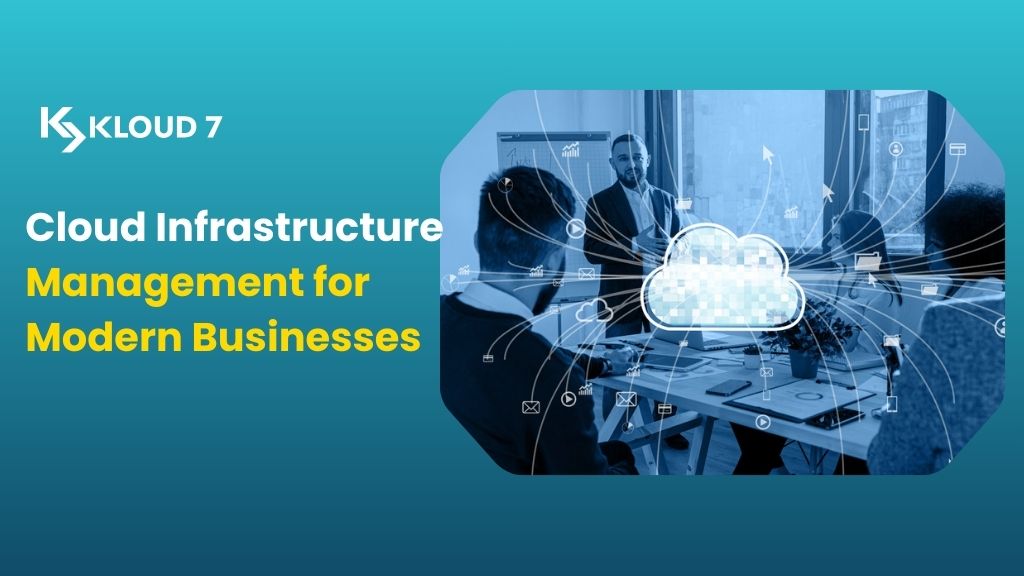

Cloud infrastructure management plays a central role in how companies operate today. Within the first hundred words, it becomes clear that this process supports cloud migration, hybrid cloud solutions, cloud monitoring, and cloud optimization. It keeps systems stable, applications running, and teams connected even as workloads shift unexpectedly.
Why Cloud Infrastructure Management Matters
Cloud systems need structure to stay reliable. They aren’t self-operating systems that fix themselves. They require monitoring, permissions, updates, and log checks. Some issues appear gradually, such as rising storage usage. Others show up without warning, such as traffic spikes or application lag.
Cloud infrastructure management helps keep everything organized, predictable, and secure.
Key goals include:
- Lower downtime
- Consistent performance
- Flexible scaling
- Strong security controls
- Clear resource usage
Small tasks like reviewing alerts or cleaning old configurations often make the biggest difference over time.
Cloud Migration and Its Role in Cloud Management
Cloud migration rarely unfolds in a straight line. Older apps behave differently in new environments. Some workflows adapt right away; others require tuning.
Cloud infrastructure management helps coordinate:
- What should move first
- How downtime is handled
- Performance testing
- Access control
- Data integrity
Once the migration settles, teams handle monitoring and adjustments to keep everything running smoothly.
Hybrid Cloud Solutions: Balancing Flexibility and Control
Many businesses use hybrid cloud solutions without planning to do so. Over time, different teams adopt different tools, some cloud-based, others on-premises, and a mixed environment forms naturally.
Hybrid setups allow companies to place sensitive workloads on private systems while running flexible applications in the public cloud. Cloud infrastructure management helps these systems communicate without turning into a confusing setup.
Hybrid cloud benefits include:
- Better control over secure workloads
- Flexible scaling for public workloads
- Cost balance across environments
- Improved performance for distributed teams
Cloud Monitoring: The Guardrail of Reliable Cloud Systems
Cloud monitoring is what keeps teams informed about system health. It tracks usage, performance, uptime, and unusual activity. Alerts allow teams to react before something breaks.
Monitoring often includes:
- CPU and memory usage
- Storage growth
- Network traffic
- Login events
- Application performance
- Security anomalies
Cloud monitoring raises awareness, leading to better decisions across systems.
Cloud Optimization: Making Cloud Systems Efficient
Cloud optimization helps reduce waste and improve speed. Costs often climb when unused instances, oversized servers, or outdated processes stay in place too long.
Optimization involves:
- Removing unused resources
- Adjusting instance sizes
- Automating scaling
- Reviewing cost reports
- Updating configurations
Over time, this process shapes a cloud environment that supports the business without draining the budget.
Helpful Reference Table
| Area | Purpose | Benefit |
| Cloud Infrastructure Management | Daily operation of cloud systems | Stability + structure |
| Cloud Migration | Moving workloads to cloud | Modernized workflows |
| Hybrid Cloud Solutions | Mixed on-prem + cloud setup | Flexibility |
| Cloud Monitoring | Tracking system health | Better uptime |
| Cloud Optimization | Improving performance + reducing waste | Lower costs |
Best Practices for Cloud Infrastructure Management
A few simple routines help keep systems dependable:
- Use alerts for unusual system behavior
- Review resource usage monthly
- Break cloud migration into smaller phases
- Maintain strong access rules
- Check performance dashboards daily
- Test backups regularly
For deeper guidance, many teams use resources such as Microsoft’s Cloud Architecture Documentation:
FAQs
1. What does cloud infrastructure management cover?
It includes servers, storage, applications, access rules, and the day-to-day operations needed to keep cloud systems stable.
2. How does cloud migration affect cloud management?
Migration changes how apps behave in new environments. After moving workloads, teams adjust performance settings, monitor stability, and update configurations.
3. Why do companies choose hybrid cloud solutions?
Hybrid cloud solutions help balance sensitive workloads on private systems and flexible workloads on public cloud platforms.
4. What should be monitored in cloud environments?
Teams track CPU usage, uptime, logins, storage, traffic patterns, and application performance so they can spot issues early.
5. How does cloud optimization help reduce spending?
Optimization removes unnecessary resources, adjusts instance sizes, automates scaling, and aligns costs with actual usage.
Conclusion
Cloud infrastructure management supports everything from daily operations to long-term stability. With the right approach to cloud migration, hybrid cloud solutions, cloud monitoring, and cloud optimization, businesses build systems that stay reliable even when workloads shift unexpectedly. Small improvements, better alerts, cleaner configurations,and regular usage reviews add up over time. As cloud environments grow, structured management becomes the foundation that keeps everything running smoothly for teams, customers, and future projects alike.
If your cloud systems are growing faster than your team can manage, Kloud7 can help you stabilize operations, improve cloud performance, and simplify monitoring across complex workloads.